Teachers at Eastbank High School in Alexandra have produced good results despite years of overcrowding and pupil unrest. Stock photo: (123RF/jittawit)
Story audio is generated using AI
Eastbank High School in Alexandra’s 81.5% matric pass rate in 2025 came at a cost to its staff, the South African Democratic Teachers Union (Sadtu) says.
The school, which has faced years of overcrowding and unrest among pupils, matriculated its class with a pass rate that outperformed several schools in Alexandra.
According to Sadtu, the result masks the toll the conditions at the school are taking on teachers.
“They are giving their best, but at the cost of their mental wellbeing and physical exhaustion because the school is overcrowded,” said Sadtu national spokesperson Nomusa Cembi.
The teachers’ union said it had engaged with a site steward at the school who confirmed discipline remained a serious problem, particularly among grade 9 pupils. Some pupils causing disruptions, the representative said, had been dismissed from former “model C” schools or could no longer afford fees at other schools and had since been enrolled at Eastbank High.
Generally teachers have to do weekend classes, morning classes and afternoon classes right through the year, sacrificing their time. We welcome these achievements, but they come at a cost to their mental wellbeing. This can lead to burnout and exhaustion
— Nomusa Cembi, Sadtu national spokesperson
“We welcome the results but we do not know how long the work the teachers are doing can last because of the conditions in the school,” said Cembi.
Asked whether teachers were receiving support to help them cope, Sadtu said help was not readily available on site. Teachers who needed assistance had to report the matter to the district office, meaning support only came after a problem had been reported.
“Nothing is being done to pre-empt it. Support is reactive,” said Cembi.
Sadtu also highlighted the extra hours teachers typically put in at schools to ensure good pass rates across the board, not only in Alexandra.
“Generally teachers have to do weekend classes, morning classes and afternoon classes right through the year, sacrificing their time,” said Cembi. “We welcome these achievements, but they come at a cost to their mental wellbeing. This can lead to burnout and exhaustion.”
The union’s comments come after desks and chairs were set alight at Eastbank High on Tuesday, prompting a strong rebuke from Gauteng education MEC Lebogang Maile. A case of malicious property damage was opened with police, and the school is expected to institute disciplinary proceedings against the pupils involved.
Eastbank High’s struggles reflect a broader problem playing out across Gauteng
Maile said the incident could not be separated from the school’s broader capacity problems. Eastbank High was built to accommodate about 1,200 pupils but currently has 2,063 enrolled, 863 more than it was designed for. The school needs about 1,200 desks and 600 chairs, despite 1,150 pieces of furniture delivered this year.
“Every desk and every chair matters, particularly in a school experiencing severe pressure on its available resources,” said Maile.
Eastbank High’s struggles reflect a broader problem playing out across Gauteng. Maile revealed earlier this year that pupil enrolment in the province has more than doubled since 1995, from about 1.4-million to more than 2.8-million, driven largely by migration and urbanisation into the province. Nearly half of Gauteng’s 2,111 public schools, he said, are operating above capacity.
The pressure has been especially visible in Alexandra. At nearby Bovet Primary School, parents staged protests earlier this year after some pupils were forced to sit on the floor due to a shortage of desks and classroom space.
Cembi said at the time overcrowded classrooms made it difficult for teachers to give pupils individual attention, warning the situation was “unhealthy” and “hazardous” for pupils and staff.
Maile said the province needs at least 200 new schools to ease the pressure at a cost of about R35bn, funding the department does not currently have. In the meantime, he said measures such as mobile classrooms and additional furniture are being used to relieve overcrowding at the worst affected schools.
The South African Federation of Trade Unions (SAFTU) has thrown its full support behind the Food and Allied Workers’ Union (FAWU) and thousands of sugar workers who have embarked on protected strike action following the breakdown of wage negotiations.
At the heart of the dispute are demands for improved wages and benefits, as workers push back against rising living costs and what they describe as an unfair burden being placed on those who produce the industry’s wealth.
In a statement earlier this month, Premier Group said the business was no longer sustainable. About 90% of the factory’s production was exported.
SAFTU National Spokesperson Newton Masuku says the Sugar Manufacturing and Refining Employers’ Association (SMREA) has offered a mere 5.4% wage increase, while attempting to present an additional 0.6% as though it were part of the current offer, despite making it conditional on a future government decision regarding tariff protection.
“FAWU is entirely correct to reject this attempt to shift regulatory risk onto workers. Workers cannot pay rent, buy food or settle electricity bills with promises contingent on decisions over which they have no control. Their expenses are immediate and unconditional; their wages must be the same. The strike takes place against the backdrop of one of the worst cost-of-living crises in democratic South Africa. Inflation may have moderated, but workers continue to confront relentless increases in electricity tariffs, transport costs, municipal charges, food prices and housing expenses. Millions of workers remain trapped in working poverty despite being employed full-time, while nearly half of the country’s labour force remains unemployed, underemployed or discouraged from seeking work. Employers cannot expect workers to absorb these mounting costs through wage restraint while expecting them to maintain productivity and support their families,” said Masuku.
In a joint statement, various unions, including COSATU, SACTWU, Solidarity, AFADWU, NUFAS and the Canning Fruit Producers Association (CFPA), have called on Tulbagh CEO Kobus Gertenbach to suspend the retrenchment consultations for 12 to 24 months.
“First, there should be no merger-related retrenchments for three years. Secondly, any retrenchments that do occur must be presumed to be merger-related, unless Premier proves otherwise to the Competition Commission. Premier has not yet discharged the burden of proving that these retrenchments are unrelated to the merger. Nevertheless, it has triggered a retrenchment process. On the facts as they stand, Premier should not be proceeding with this process at all. Whatever else the Competition Commission may decide in its current investigations, we believe it was reckless to signal the desire for closure and retrenchment to workers, farmers and the market before getting the approval of the Commission. These risks create a self-fulfilling cycle that erodes the business case for this factory, potentially making it harder to save,” the statement reads.
Compares proposal to apartheid-era segregation efforts
General secretary of the South African Federation of Trade Unions Zwelinzima Vavi accused March and March Movement founder Jacinta Ngobese-Zuma of promoting a form of ethnic division that he said threatened the country’s unity. Picture: (Masi Losi)
General secretary of the South African Federation of Trade Unions (Saftu) Zwelinzima Vavi has criticised March and March Movement founder Jacinta Ngobese-Zuma over comments calling for universities to be established along linguistic and ethnic lines.
Ngobese-Zuma’s remarks were made during a recent protest in central Durban, where she led demonstrators through the CBD towards the Inkosi Albert Luthuli International Convention Centre, the venue for the 46th Southern African Development Community (Sadc) Heads of State and Government Summit.
In a video circulating on social media, Ngobese-Zuma questioned why communities could not establish their own institutions, drawing comparisons with AfriForum’s links to a new university, its private prosecution initiatives and other structures.
Ngobese-Zuma said communities should consider establishing their own institutions and universities that teach in their respective languages.
“Why can’t we have our own stuff that we do for ourselves? If we need to learn from white people then we’ll learn from them, and if we have to learn how to have our own universities that use our own languages, so be it,” she said.
“There’s nothing [wrong] with us saying there is a university for Zulu, Xhosa, Pedi, Tshwana, Tsonga. Everyone can have their own university.”
What she is expressing is a dangerous desire to Balkanise South Africa along ethnic and linguistic lines, to turn our diversity into separate political and territorial enclaves
— Zwelinzima Vavi, Saftu general secretary
Her comments drew a strong response from Vavi, who rejected the notion of universities being established for particular ethnic or linguistic groups.
“There is no such thing as a ‘university of the people who speak isiZulu’ in the first place. Our universities are South African institutions, open to all South Africans regardless of language, ethnicity or province,” Vavi said in a social media post.
He accused Ngobese-Zuma of promoting a form of ethnic division that he said threatened the country’s unity.
“What she is expressing is a dangerous desire to Balkanise South Africa along ethnic and linguistic lines, to turn our diversity into separate political and territorial enclaves,” he said.
Vavi drew parallels between the proposal and the apartheid government’s use of segregation and ethnic divisions.
“Colonialism and apartheid tried precisely this through segregation, Bantustans and the deliberate manipulation of ethnic identities to divide and rule. They failed to permanently fracture South Africa and those attempting to revive the same poisonous politics of ethnic division will fail again,” said Vavi.
He said South Africa’s diversity should be regarded as a shared national asset rather than a basis for creating separate institutions or territories.
“We must defend a united, non-racial and democratic South Africa in which isiZulu, isiXhosa, Sesotho, Tshivenda, Afrikaans and every other language belong equally to all of us. No ethnic group owns a province, a university or any part of this country,” he said.
“South Africa belongs to all who live in it. We will not allow it to be Balkanised,” said Vavi.
The meeting between Ngobese-Zuma’s March and March organisation and AfriForum resulted in an agreement to establish a joint working group.
The two organisations agreed to co-operate on issues including crime, illegal migration and socio-economic conditions despite their differences on a range of political and ideological issues.
Life in Tulbagh has centred on the fruit canning factory for generations. Photos: Greg Dor
For more than 70 years, life in the small Western Cape town of Tulbagh has centred on the fruit canning factory. The rhythm of the fruit seasons determined when people worked and earned, when shops were busy, and what food families could put on the table. Now the factory is facing closure, threatening not only thousands of jobs but a way of life that generations of people in the valley have built around it.
The factory has been a major source of work since it was established in 1954. for generations of workers. Some are from Tulbagh and nearby towns like Gouda, Wolseley and Saron; some who travel from the Eastern Cape, following the seasons for apricots, peaches, pears, and guavas.
According to COSATU, the factory employs more than 3,500 people. Very few are permanent: most are seasonal or work on fixed-term contracts which are renewed.
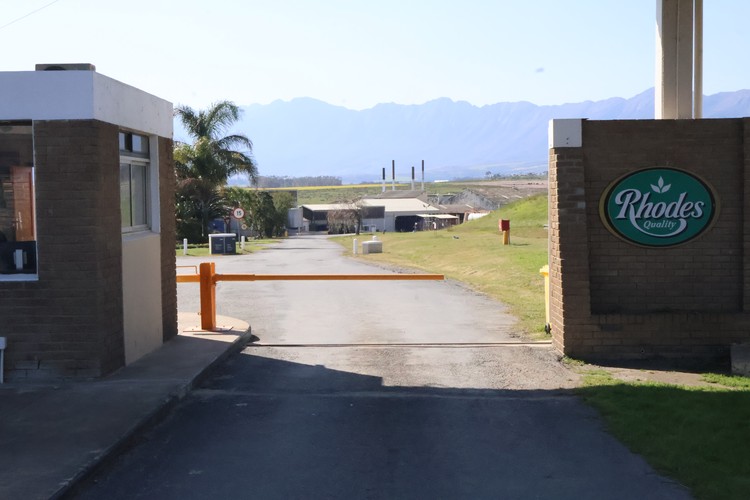
Premier Group bought the plant from Rhodes Food Group in March, only to announce soon afterwards – just months before the main season starts in November – that it would be closed.
In a statement earlier this month, Premier said the business was no longer sustainable. About 90% of the factory’s production was exported, it said, “making the operation highly dependent on global demand and international competitiveness. Demand has declined sharply, year on year.”
Premier said it recognised that this was “a deeply difficult and uncertain time for affected employees”, many of whom had given years of service to the factory. “The company understands the impact that this process may have on employees, their families and the broader Tulbagh community, and is committed to managing the process with care, respect and transparency.”
The decision has created uncertainty far beyond the factory gates. Factory workers fear the loss of their livelihoods; some have already lost them. About 2,000 farm workers’ jobs are also at risk. Producers are appealing for time and scrambling for solutions before the coming season. Community organisers are already dealing with increased demands for food and other basics. Local businesses, taxi operators and informal traders are concerned about revenue that is heavily dependent on factory workers. And young people who have traditionally relied on the factory for their first jobs are wondering where they will go.
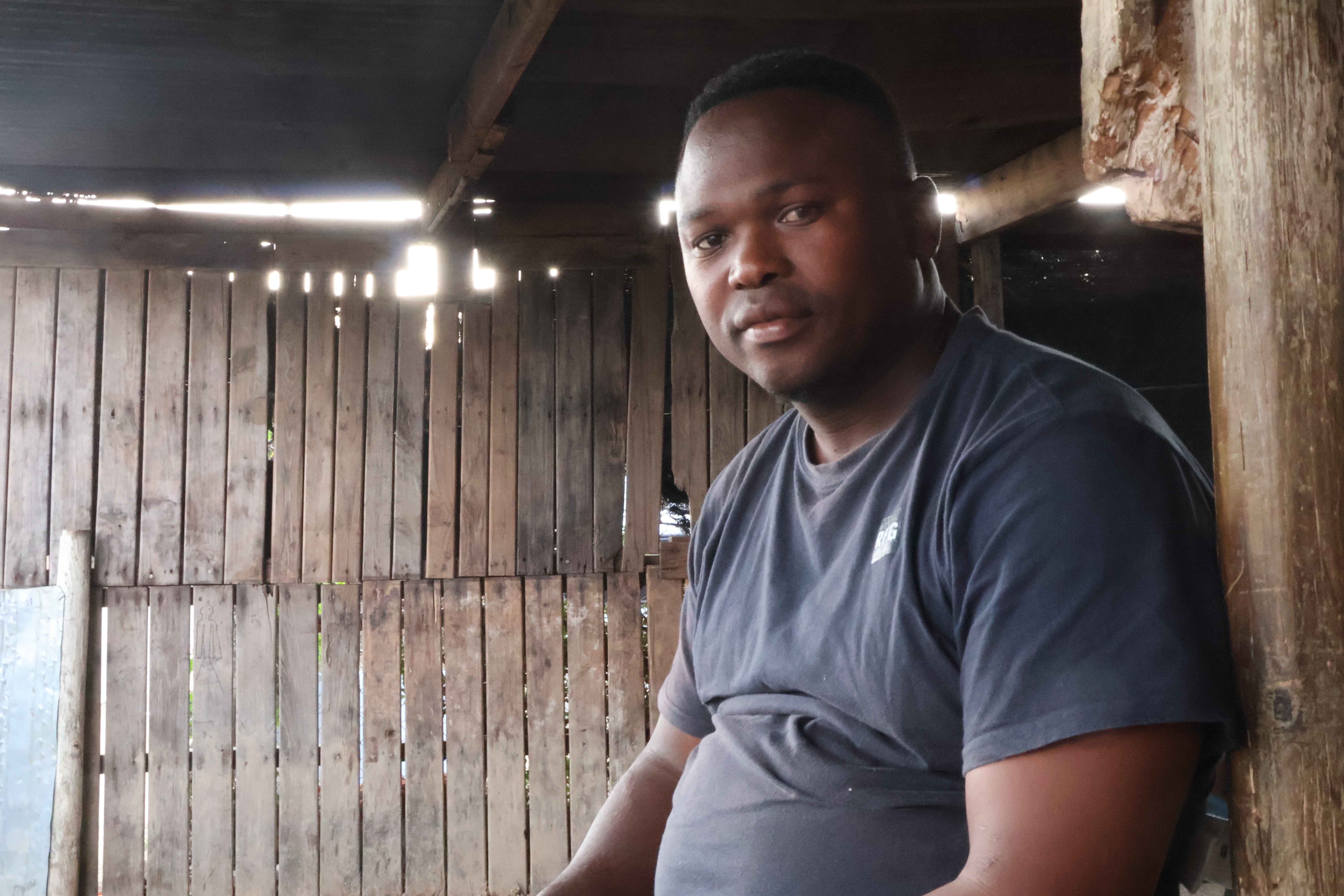
Siya Ndzongana, his wife and his brothers all work at the factory, as did his father.
Generations of workers
Siya Ndzongana, a shop steward at the Agricultural Food and Allied Democratic Workers’ Union (AFADWU) has worked at the factory since 2010. His wife works there; his older brothers worked there, and before them his father worked there. As a schoolboy living in the Eastern Cape, Ndzongana would travel to Tulbagh during the school holidays to work during the main fruit season, which runs from November to April or May.
“In the middle of November we would finish exams and come for holidays to work in the factory. That place has a history for us,” he said.
Ndzongana started as a general worker, then became an operator and driver before being promoted to supervisor. He was employed on fixed-term rolling contracts, but he has not been called back by management since the season ended in May. And his brother, whose family lives in the backyard of Ndzongana’s house, has been told he need no longer come to work.
Ndzongana has turned the front of his RDP house into a car wash to supplement his income. But he says business has slowed because customers no longer have money to spend.
“At the moment I found some construction work, but it’s only been for a few weeks,” he said.
“The whole town has connections with that factory,” says Dinene Coetzee, whose mother and sister were seasonal workers at the factory. Many of the parents of children at the aftercare where she works are employed there.
For generations, the plant has also provided young people with an entry point to the labour market.
“When the matrics finish, they get the first option to get their first job as a seasonal worker,” Coetzee said. “Where will they go now?”
Alfonso Scheepers has worked at the factory for 12 years on fixed-term contracts. Although he works for most of the year, he signs a succession of short contracts — one for the main fruit season and others for work, such as labelling, during the off-season.
“I am not permanent but I work throughout the year. They call it an onlopende contract.”
He currently works as a forklift driver in the labelling department, which workers say is one of only two parts of the factory still operating. The other is the warehouse.
Many fixed-term workers have not had their contracts renewed. Others have been told that their contracts will expire in the coming months. Scheepers expects his current contract to continue until January while labelling is completed, but he doesn’t know what will be offered in terms of retrenchment.
“When I finish at the factory I will have to rely on my UIF, but that will run out soon. Then I will have to find a new job, but there are none.”
Scheepers and his wife both work at the factory. Together they support a household of six. They have been able to manage this by working different 12-hour shifts in the factory, where production runs around the clock.
“We don’t know where we stand,” he said.
R45 an hour
The lowest paid workers at the plant earn about R45 an hour, compared with the R30 minimum wage for farm workers.
Alungile Ntulo moved to Tulbagh from the Eastern Cape three years ago. She lives in an informal settlement near the town and has worked at the factory for the past three seasons, peeling fruit and removing stones.
“I need the work at the factory in the season, because it pays more than any other farms and because it lasts for more months,” she said.
Waiting outside the factory gates to process her UIF paperwork, she was unsure what to do.
“I can’t go back to the Eastern Cape,” Ntulo said. “I will have to stay in Tulbagh and look for other jobs.”
There is some work available on nearby berry farms, she said, but “the money there is not good and the season is short. And there are many people looking for those jobs. It is not easy.”
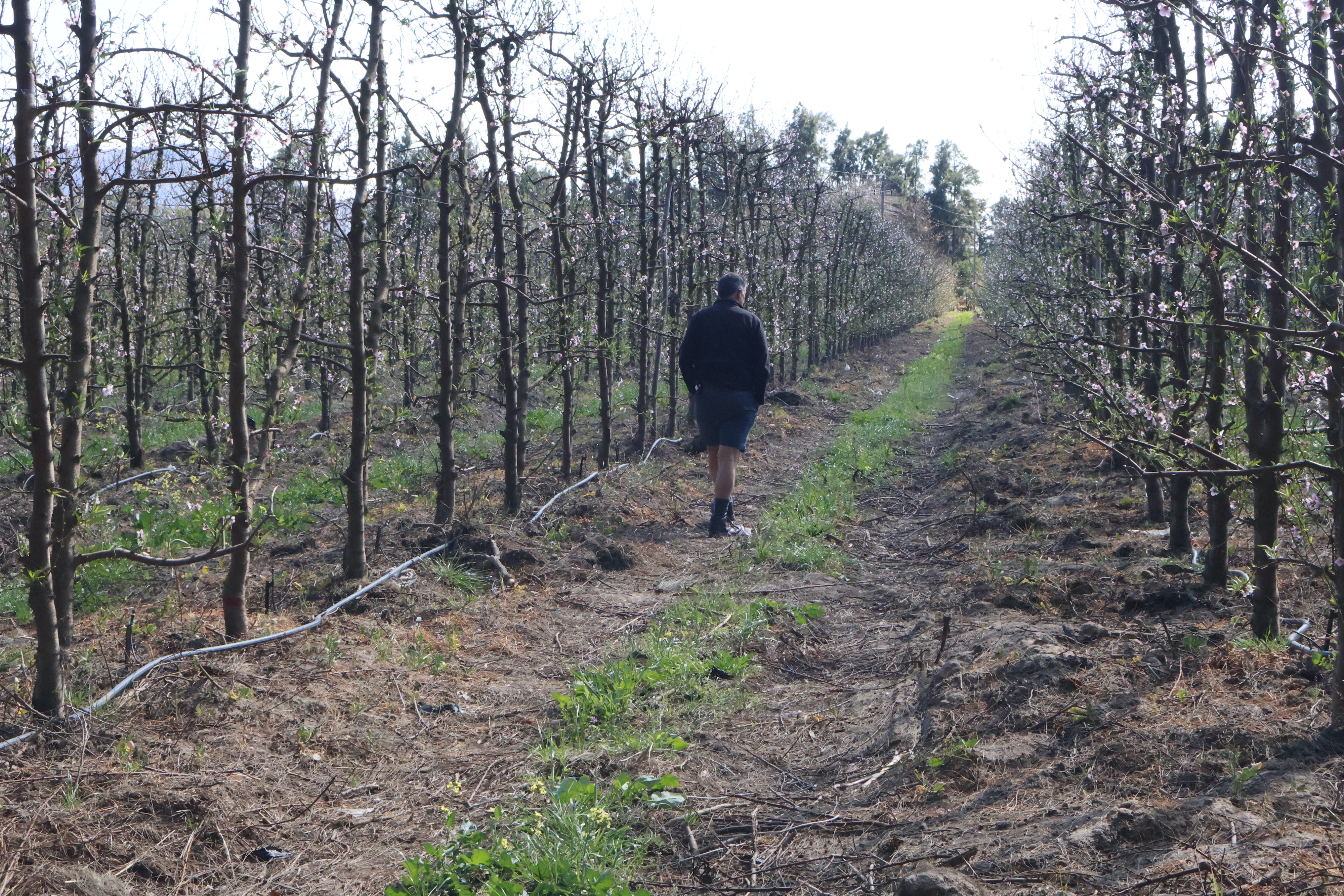
The peach trees are in blossom but the future of the harvest is uncertain.
A town that depends on the harvest
The factory’s seasonal cycle has shaped the economic life of Tulbagh.
This year, though, guava processing, which usually takes place in the off season, is not happening, nor is the factory being prepared for the next harvest in the usual way. Normally, workers service machinery during the winter months.
Ndzongana said Premier has a new approach: “The company says you only fix what is broken,” he said.
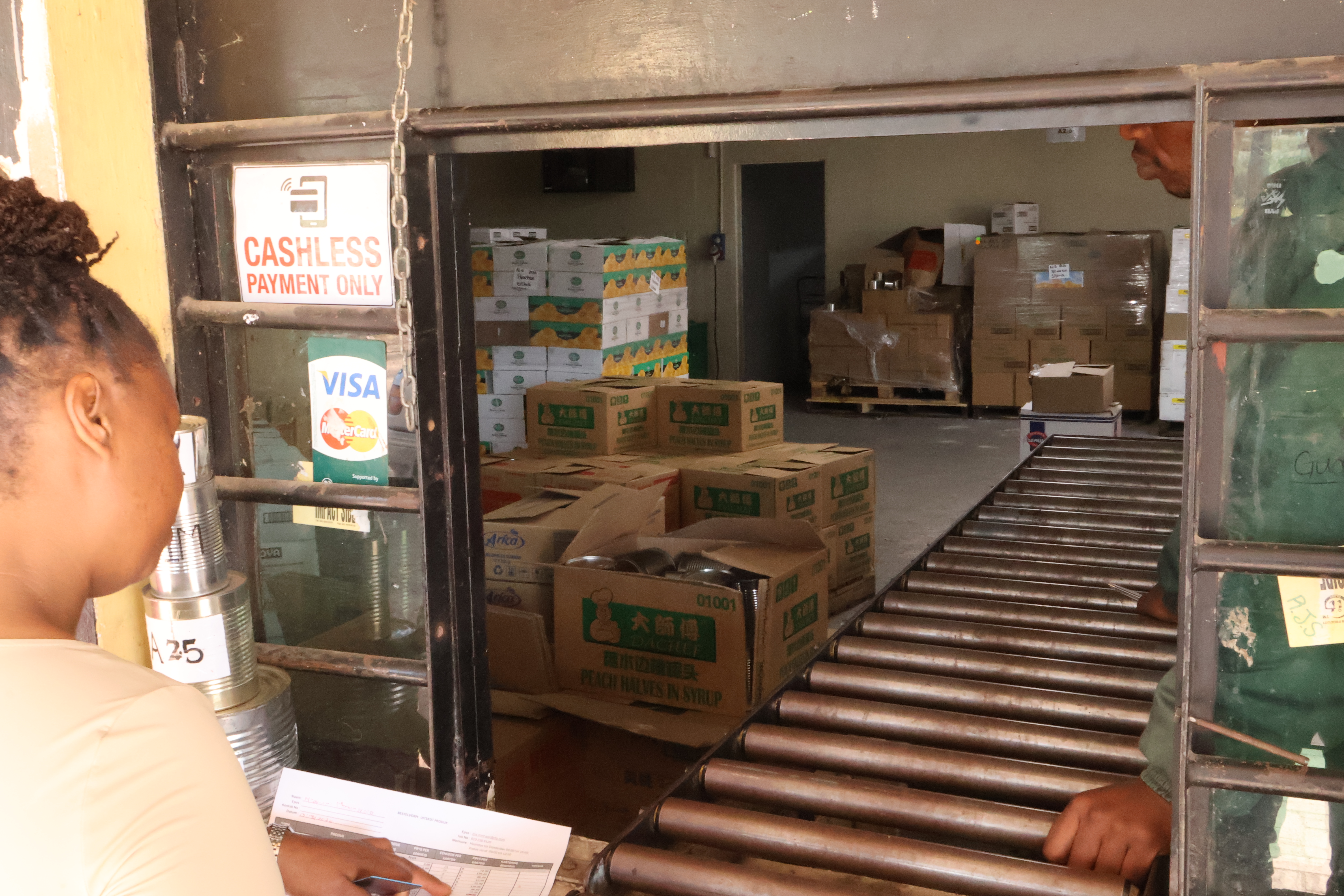
“Now they are just packing the old stock and selling everything. You can go to the factory shop and see, they are selling the tins at half price.”
“The entire Tulbagh is going to suffer, not only the employees, the farm owners and farm workers too.”
“The businesses are going to go down — the taxis, Spar, Shoprite, Pep, the garage. They wait for us workers,” he said.
Taxis that would normally transport workers are already sitting idle and shops are quieter, according to Ndzongana.
“When the workers get their money they get transported straight to the shops,” said Coetzee. The effects of the closure are already being felt, she said. “People are not coping and are unable to buy basics.”
At the aftercare, which she runs with a friend, she sees parents struggling. “People are coming to me asking for food, electricity, and stuff like that.”
She refers them to one of the 15 soup kitchens in the area run by members of the community. They are already under pressure. Coetzee fears things will get worse at the start of the next season, when the factory would normally start hiring.
“Rent even for a shack is about R500 to R1,000 per month,” she said. “And electricity is only getting more expensive.”
“This is a good community,” said Ndzongana. “There are issues, like anywhere. But we know each other, from the top of the hill to the bottom, there is respect.”
“If people are not working all of that can change,” he said.
“People are very worried and stressed,” said Coetzee. “Bills need to be paid and people need to eat.”
“And then the crime, drugs and drinking will only get worse. Because when there is nothing in the house, what are you supposed to do? And then that stress will also lead to more … violence in the house.”
Farmers under pressure
Charl Herbst, chair of the Canning Fruit Producers’ Association negotiations committee, farms about 15 minutes from the town. All the fruit he produces for canning goes to the Tulbagh factory. The farm has recently invested in pears and peaches for canning.
An orchard, he says, lasts between 25 and 30 years. “Now, we are faced with difficult decisions about whether to pull up that orchard, which also decreases the property value of the farm and affects our margins,” he said.
“The main thing we are asking for is time.”
The factory processes fruit from about 2,000 hectares. He estimates that each hectare requires one permanent farm worker to take care of it.
“So if the factory closes, we estimate that at least 2,000 permanent workers will lose their jobs. And many of those workers also live on the farms.”
Herbst said producers were told by Premier in March that it would be business as usual following the takeover.
Premier has since met producers and promised to pay them for next year’s harvest, he said. But this “is a short-term fix to a long-term problem”.
Diverting fruit for canning towards the fresh produce market could flood that market, on which the same producers rely.
Producers are also experiencing the same market pressures Premier has cited, including tariffs, declining consumer markets, and a weak rand.
Herbst said producers have two-year rolling contracts with Premier, meaning either party is required to give two-years’ notice, unless there is force majeure or a party exits the industry, which it appears Premier is trying to do.
“Premier needs to take responsibility. To all of the stakeholders, not only to their shareholders,” he said. “This is a value chain that was built over many decades. It is being destroyed in months.”
“The main thing we are asking for is time,” says farmer Charl Herbst.
A declining industry
According to a former factory manager, who did not want his name used, at its peak, the factory processed up to 78,000 tonnes of fruit. But the market has shrunk, under pressure from changing household preferences as well as pressure from tariffs and a strong rand. By last year, processing volume had fallen to 42,000 tonnes, he said.
Nyaniso Gqalaqha, AFADWU’s Western Cape provincial secretary, said the union wanted to know how the company had taken its decision before even operating the factory for one season. AFADWU says it has 115 members at the factory who are permanent and over 800 who are seasonal workers.
“How did they assess that the company is making profit or not, when they haven’t even worked a full season?”
“It seems like the company will get better returns from selling the equipment and stripping the factory,” he said. “Is it not a contradiction that they are complaining that they are not making money, but they are selling everything at half price?”
He said the union was also seeking answers from the Competition Commission, which approved Premier’s purchase of Rhodes Food Group.
The union has not yet reached the stage of auditing the company’s books and says it has so far only heard Premier’s explanation for the proposed closure. The next part of the retrenchment process is expected to deal with alternatives.
“Whatever they can come up with to rescue the business, we will accept in the benefit of our members and the community,” Gqalaqha said. “Closing the factory and selling the equipment is not an option.”
Workers say produce at the factory shop is being sold off at half price.
Langeberg shows an alternative — but it took years
Workers and producers see the Langeberg Foods factory in Ashton as an example of a possible ownership model. It is owned by a grower-led consortium, with the Ashton Fruit Producers Agricultural Co-operative (AFPAC) holding 40%, Norfund 40%, management 10% and the Langeberg Community Trust 10%, according to Anthony Dicey, chair of AFPAC and Langeberg Foods.
But Dicey said Langeberg cannot simply absorb the Tulbagh operation at short notice. Setting up the consortium took years, he said, and Langeberg is only in the first year of a three-year consolidation phase.
Gqalaqha said the union expected the Section 189 process to take about two months, and this was not enough to find a solution.
“We want at least a 12-month engagement,” he said. “We think that will be fair to everyone, including the business itself. It will give time to allow a potential buyer to come in.”
Invited to comment, Premier said: “Given that consultations with affected employees and recognised representatives are ongoing, our priority is to respect the integrity of that process and the people participating in it.
“At this stage, we believe it would be inappropriate to comment beyond the statement already provided. We remain committed to conducting the process with care, transparency and respect, and will communicate further where appropriate as the consultation process progresses.”
The union is planning a picket outside the factory on 26 August. The organisers also hope producers will participate.
“We want to negotiate nicely,” Gqalaqha said. “It will be a peaceful picket outside of the factory. Not a strike.”
“The people from Premier can sit there in Johannesburg and make these decisions; they don’t care about what will happen to Tulbagh,” said Ndzongana. “They don’t even know this community.”
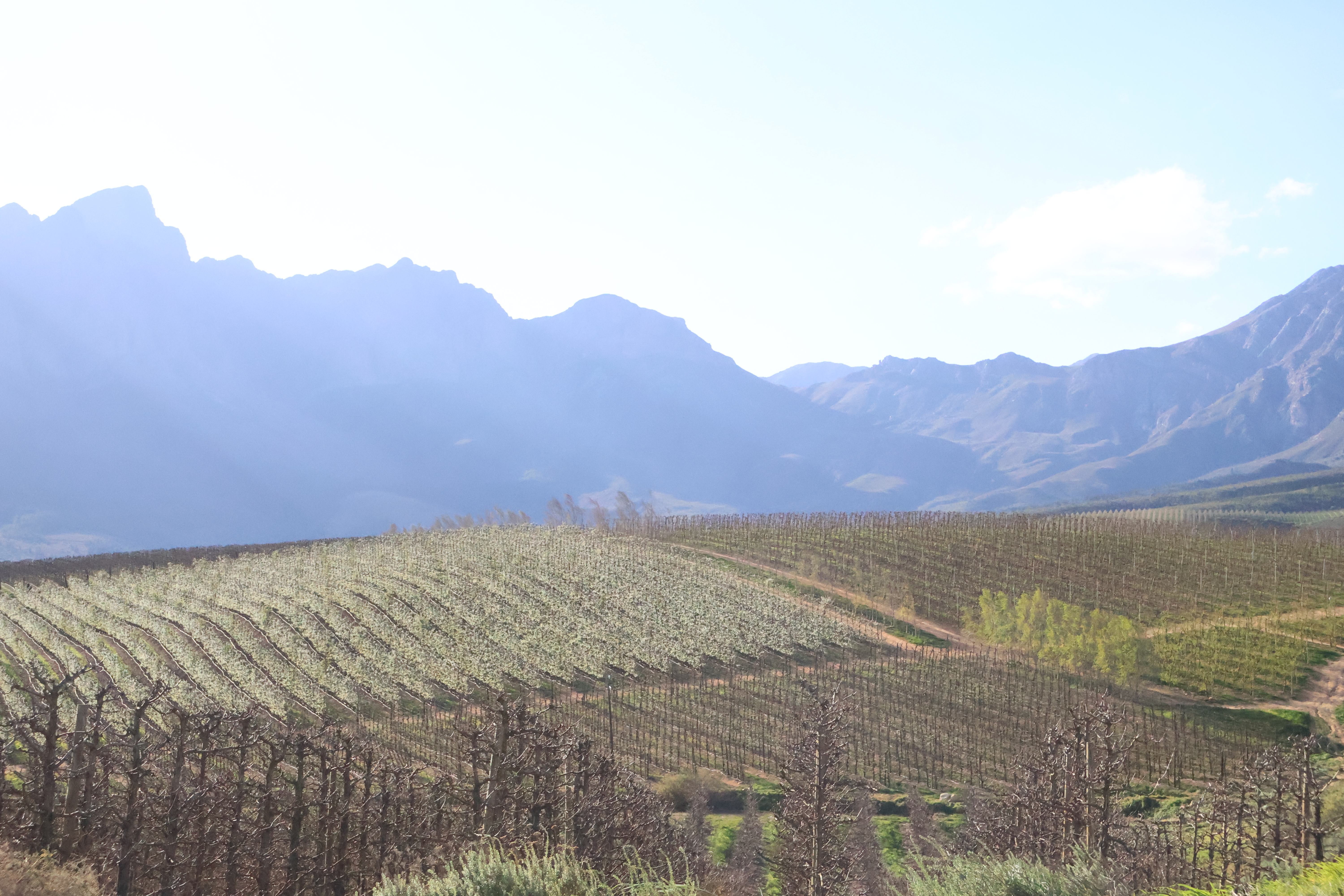
Orchards stretch to the blue mountains of the Boland in the distance.
Private Education group, Advtech Limited (Advtech), has announced a three-year partnership with Cricket South Africa (CSA).
The agreement assigns Advtech as the official sponsor of the National U13, U16, and U19 Boys’ and Girls’ Youth Weeks, as well as Women’s Test Cricket.
In the agreement, Advtech will also serve as an associate partner of Men’s Test Cricket.
The education group said that this partnership aims to increase participation in the sport and actively contribute to developing South Africa’s future talent through educational initiatives.
“We are excited about teaming up with Advtech. This partnership goes beyond what happens on the field,” CSA CEO Pholetsi Moseki said.
“For CSA, it is important that our work has a meaningful social impact, and partnering with Advtech strengthens the connection between cricket, education and the development of young people throughout our pathway.”
He explained that introducing young boys and girls to cricket through the KFC Mini-Cricket program, the Youth Weeks programme, and the professional game is crucial.
He said that education plays an important role at every level of the sport and that this partnership aims to enhance support for the system and help prepare cricketers for opportunities beyond their playing careers.
As the Education Partner for the National Youth Weeks, Advtech said it is committed to investing in the sport and its young players.
Advtech said this initiative reflects the group’s broader dedication to shaping the lives and futures of young people throughout South Africa.
In 2025, the U16 and U19 Youth Weeks featured 850 players from all nine provinces and saw more than 350 matches.
In line with Cricket South Africa’s efforts to professionalise women’s cricket, Advtech announced plans to enhance the pathway to elite-level play by implementing specialised girls’ cricket programmes in select schools.
“Our partnership with Cricket South Africa extends across the sport, from grassroots to the elite Men’s and Women’s teams,” said Advtech CEO Geoff Whyte.
“It represents a powerful investment into South Africa’s most inclusive sporting code that will also significantly benefit our brands,” he said.
Advtech is hitting sixes
JSE-listed Advtech anticipates a substantial increase in earnings for the six months ending in June 2026.
In a voluntary trading statement released earlier this month, the company projected that its headline earnings per share for this period would rise between 13% and 18%.
This would result in earnings of 127.4 to 133.3 cents per share, compared with 113 cents in the previous interim period.
Advtech owns several well-known private education institutions, including Crawford International, Trinityhouse, Pinnacle Colleges, and the newly launched Emeris.
In addition to operating in South Africa, the company has a presence in Kenya, Ethiopia, Botswana, and Ghana.
With a market capitalisation of R26 billion, Advtech is valued higher than major South African brands such as SPAR and Pick’n Pay, as well as other publicly listed private education groups.
After Curro’s sale and delisting, Advtech leads the private education sector, ahead of Stadio Holdings and the Pembury Lifestyle Group.
At the beginning of 2026, the group reported nearly 120,000 students enrolled across 122 schools.
However, the company acknowledged that it faces a challenging 2026 due to South Africa’s uncertain economic outlook, characterised by persistently low growth and high unemployment.
This situation has also created a skills shortage, resulting in a strong demand for quality education despite the prevailing economic pressures.
“With the public education system facing declining quality and increasing space constraints, demand for quality private education has grown,” it said.