by Temp_Dev | Labour Market News
Major trade union federations have differed over whether the Democrats’ victory in the US midterm elections will improve relations with Pretoria and protect workers threatened by President Donald Trump’s trade and foreign policies.
The South African Federation of Trade Unions (SAFTU) has welcomed the Republican Party’s loss of control of both chambers of Congress, while the Congress of South African Trade Unions (COSATU) cautioned against expecting significant changes in Washington’s approach to South Africa.
The Federation of Unions of South Africa (FEDUSA) said the outcome was an opportunity to strengthen trade relations.
Democrats secured majorities in both the House of Representatives and Senate in Tuesday’s elections, capitalising on voter dissatisfaction with the cost of living, Trump’s economic policies and the war against Iran.
Democrats gained at least 30 seats in the House and secured a Senate majority of at least 54 seats, dealing Trump one of the most significant political setbacks of his second presidency.
The incoming Congress will take office in January 2027, giving Democrats greater powers to investigate the administration, challenge its legislative agenda and scrutinise its spending decisions.
However, Trump will remain president, retaining substantial executive authority and the power to veto legislation.
In a statement issued on Thursday, SAFTU general secretary Zwelinzima Vavi said the election result was a rejection of policies that concentrated power in the presidency, weakened constitutional checks and balances and placed a disproportionate burden on working people.
The federation accused Republican lawmakers of failing to hold Trump accountable for military action against Iran, cuts to social programmes and attacks on collective bargaining rights.
It also called on the incoming Congress to oppose the administration’s decision to terminate South Africa and Rwanda’s eligibility for preferential trade benefits under the African Growth and Opportunity Act (AGOA).
On 2 November, US Trade Representative Jamieson Greer announced that Trump had notified Congress and the two governments of his intention to terminate their AGOA eligibility from 1 January 2027.
AGOA allows qualifying sub-Saharan African countries duty-free access to the American market for thousands of eligible products.
The Trump administration cited “barriers to US trade and investment”, “corruption” and national security and foreign policy concerns in its decision concerning South Africa.
The termination has raised concerns about employment and investment in export-dependent industries, particularly those supplying the American market.
SAFTU sees opportunity for change
Speaking to Inside Politics, SAFTU national spokesperson Newton Masuku said developments in the US had consequences far beyond its borders because of the country’s influence over the global economy.
“When Washington sneezes, when Wall Street sneezes, the entire world catches a cold,” Masuku said. “Therefore the electoral outcomes have a direct bearing not only on the immediate interests of the working class of the US, but also the globe as a whole.”
He accused the Trump administration of pursuing aggressive trade policies, imposing unjustifiable tariffs and creating instability in international markets.
Masuku also linked Washington’s decision on AGOA to South Africa’s position on Israel’s military campaign in Gaza, saying that the administration was seeking to punish Pretoria for its stance.
Masuku said SAFTU had anticipated that American voters would punish Republicans for policies that increased living costs and undermined international stability.
He described Trumpism as a political phenomenon characterised by racism, sexism and imperialism, and said its weakening would be welcomed by workers internationally.
The federation also criticised Trump’s military campaign against Iran, saying that it had contributed to higher fuel costs and increased pressure on households.
The US-Israeli war against Iran has become a major political liability for Trump, with Democratic candidates blaming the conflict for rising energy prices and cost-of-living pressure.
Trump himself acknowledged after the election that the war had contributed to Republican losses, although he defended his decision to launch military action.
Congress had already challenged the administration’s conduct of the conflict. In June, the House and Senate approved a War Powers Resolution directing the withdrawal of American forces from hostilities against Iran.
The Senate approved the measure by 50 votes to 48, after it had passed the House earlier that month.
The resolution’s legal enforceability remained disputed, with the White House rejecting its significance.
SAFTU said the incoming Congress should press for an end to the conflict and pursue a diplomatic settlement.
Asked what action the federation intended taking beyond issuing statements, Masuku said coordinated mobilisation would be necessary, including engagement with other labour federations such as COSATU, FEDUSA and the National Council of Trade Unions (NACTU).
“There will indeed be campaigns to protest precisely that and to urge in particular the American working class to put pressure on their administration to indeed cease and desist from this particular war,” Masuku said.
He rejected criticism that SAFTU was paying too much attention to international affairs while South African workers faced unemployment, retrenchments and wage disputes.
Masuku pointed to the federation’s opposition to domestic austerity measures, its response to the Medium Term Budget Policy Statement and its engagement with the Department of Trade, Industry and Competition over the threatened loss of AGOA benefits.
He said SAFTU’s National Executive Committee would determine whether further protests should take place before the end of the year or be deferred until early 2027.
COSATU warns against expectations of policy change
COSATU said that Democratic control of Congress would not necessarily translate into a change in America’s relationship with South Africa.
“US foreign policy is determined by the Executive, which has been very clear about its views on South Africa. For this reason, we do not expect any shift in the US’ stance on South Africa,” COSATU spokesperson Zanele Sabela told Inside Politics.
Although Democrats will be able to exercise greater oversight and influence legislation, the president will retain considerable authority over diplomatic relations, executive actions and the implementation of trade policy under existing laws.
The balance of power is expected to complicate Trump’s domestic agenda, but significant changes to US trade and foreign policy may still require negotiations between Congress and the administration.
FEDUSA welcomes opening for trade negotiations
FEDUSA deputy general secretary Ashley Benjamin said the Democratic victory was a positive development for international stability and trade relations.
“We think it’s just a step in the right direction. It’s good for world peace and stability because the actions of Donald Trump and his Republicans has caused a lot of instability in the world, in particular the war with Iran,” Benjamin said.
He said the federation was concerned about the possible effect of South Africa’s exclusion from AGOA, although the consequences would differ across industries.
“While there may be jobs at stake, we must also understand that our exports, South Africa’s total exports through AGOA account for one percent of exports. So if you look at percentage terms, it’s not a big deal,” he said.
But Benjamin said that the effect on individual industries and workers remained important, regardless of the overall share of national exports.
“We are concerned about jobs. We are concerned about industrial development and remember there’s a number of products that’s excluded from that as well. It’s not all the products,” he said.
He said American trade restrictions had affected industries internationally, particularly through Section 232 measures imposed on steel and other products.
Some South African companies had already responded to trade uncertainty by diversifying their markets.
Benjamin said that stronger Democratic representation in Congress could improve opportunities for engagement with American policymakers and trade unions.
FEDUSA maintained relationships with US labour organisations and intended using those connections to support South African jobs and trade.
“We see that as a window of opportunity and we certainly have very good relationships with the American trade unions,” Benjamin said.
He also pointed to the commercial relationship between the two countries, saying more than 600 American companies operated in South Africa and provided employment to more than 100,000 people.
The federation believes the commercial interests of both countries provide grounds for continued negotiations despite political disagreements.
“So they are here because it’s profitable and there’s a mutually beneficial relationship,” Benjamin said.
Fuel prices put pressure on workers
Benjamin said rising energy costs were placing considerable strain on workers, including those who relied on private vehicles to travel to work.
“It places a huge burden on working people whether you’re a blue collar worker working in industry, or whether you’re a public servant that is relying on their private vehicles to commute to work and back, it is taxing on South Africa,” he said.
South Africa has experienced substantial fuel-price increases during 2026, with the Department of Mineral and Petroleum Resources attributing part of the pressure to higher international oil prices and instability in the Middle East.
In October, the government increased the price of 95-octane petrol by R3.33 a litre, citing rising crude oil prices, supply constraints and higher shipping costs.
In November, however, petrol prices decreased by one cent a litre and diesel prices fell by about R1.10 to R1.20 a litre following temporary fuel-levy relief measures announced by Finance Minister Enoch Godongwana.
The government reduced the general fuel levy by R1.50 a litre for petrol and R3 for diesel from 4 November to provide temporary relief to households and businesses.
Benjamin said higher transport costs increased the price of food and other essential goods.
FEDUSA also wanted the government to review the country’s fuel-pricing structure.
“We believe that it could be easily reduced by six rand or seven rand. They apply their mind properly and the treasury comes up with alternative financing options and we still stick to that and we want to keep the government accountable for that,” Benjamin said.
SAFTU demands protection for workers
SAFTU also criticised the economic consequences of Trump’s domestic policies, particularly tax cuts favouring wealthy Americans and reductions in social assistance.
The federation cited a Congressional Budget Office (CBO) analysis of Medicaid provisions in Trump’s 2025 tax and spending legislation.
An initial assessment of the House-approved bill projected that 7.8 million additional Americans would be without health insurance by 2034.
The CBO subsequently estimated that the Medicaid provisions in the legislation enacted in July 2025 would increase the number of uninsured Americans by 7.5 million by 2034.
SAFTU also referred to an October 2026 analysis by the Institute on Taxation and Economic Policy, which concluded that Trump’s tax changes, higher prices and increased healthcare costs would leave almost every income group financially worse off, apart from the wealthiest 1%.
The federation said workers had also suffered from federal job cuts and restrictions on collective bargaining protections.
In addition to demanding that Washington reverse its AGOA decision, SAFTU called for an end to military action against Iran, diplomatic efforts to end the Russia-Ukraine war and an easing of economic pressure on Cuba.
It also called for the release of Venezuelan leader Nicolás Maduro and his wife, Cilia Flores, an end to US support for Israel’s military campaign in Gaza, and respect for international law and national sovereignty.
SAFTU said the Republican defeat represented an opportunity to restore democratic accountability, but warned that Democrats should not be given unconditional support.
Source: https://insidepolitic.co.za/saftu-welcomes-trumps-midterm-defeat-cosatu-doubts-us-policy-will-change/
by Temp_Dev | Labour Market News
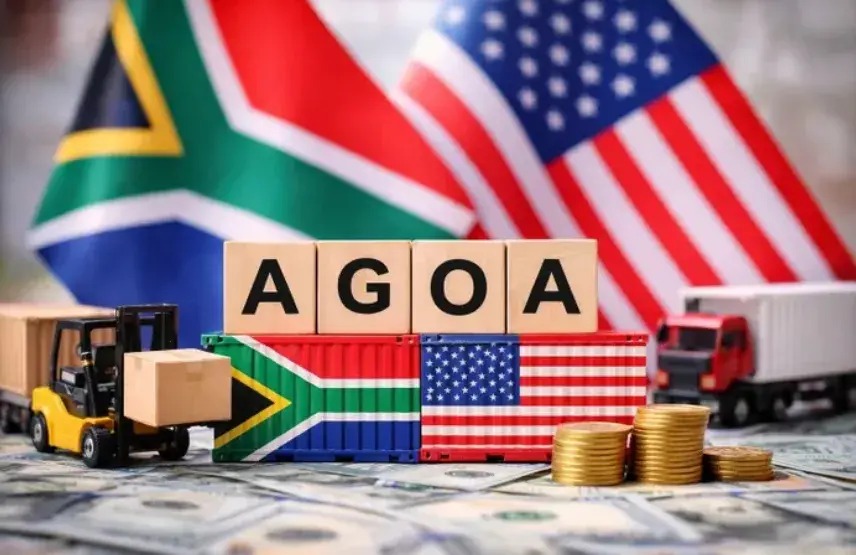
Cosatu warns that the loss of US trade preferences could threaten South African jobs and calls for urgent government support, export diversification and further negotiations before the change takes effect on 1 January 2027. PICTURE: IOL
The Congress of South African Trade Unions (Cosatu) notes with deep concern the United States (US) government’s removal of South Africa from the African Growth and Opportunity Act (AGOA).
AGOA has provided lower tariff access for African exports to the US market, currently the world’s largest economy. It has boosted South African and many other African countries’ exports to the US.
It has helped nurture intra-African trade. South African vehicle exports to the US, for example, include many components made in neighbouring states.
It has benefited the US too, not only with the supply of African goods, including critical minerals, but it has also helped create an estimated 200,000 direct jobs in the US.
The US, like all other nations, has the right to determine which goods can enter its market and at what tariff level. Other African countries have previously been removed from AGOA, and some were later reinstated. We state that plainly because this debate must be based on facts, not fiction.
But facts also demand honesty about what is at stake.
Cosatu is deeply concerned by the impact South Africa’s exit from AGOA, due to take effect from January 2027, will have on thousands of agricultural and manufacturing jobs linked to it.
We have already seen many jobs lost due to massive hike in tariffs by the US since 2025 upon companies in Cape Town, Atlantis, Malmesbury and Tulbagh, amongst others. We have seen the devastation it threatens to these workers and farmers’ ability to take care of their families.
These are not statistics. They are mothers and fathers wondering how they will pay rent, buy food and pay school fees. They are workers who have given decades to a factory or a farm, only to be told that a decision taken in Washington has now made their jobs unviable.
Given South Africa’s already dangerously high 43.8% unemployment rate and weak economic growth, we cannot treat this as just another trade dispute. It further compounds an already dire jobs crisis.
That is why it is important that South Africa’s government utilise the next 60 days before this exit comes into effect, to negotiate a favourable set of solutions to avert this potential blow to the South African economy and jobs.
These engagements must be anchored upon mutual respect, including the recognition and appreciation of South Africa as a constitutional democracy and a sovereign member of the international community.
Negotiations for South Africa’s continued membership of AGOA and a reset of bilateral relations with the US, must be based upon what is in the interests of South Africa’s people and a respect for our non-negotiable transformation journey.
We will not apologise for seeking to correct the injustices of apartheid. We will not apologise for land reform, for employment equity, for seeking to build an economy that works for the majority and not just a privileged few. Transformation is not anti-American. It is pro-South African. Any sustainable partnership must respect that.
At the same time, we must prepare for the worst while we negotiate for the best.
It is critical that the Departments of Trade, Industry and Competition; Employment and Labour; National Treasury; and Agriculture put in place an urgent package of support for at-risk workers, companies, industries and communities.
This must include subsidies and incentives, tax rebates and holidays, and support from the Unemployment Insurance Fund’s Temporary Employment Relief Scheme. We cannot afford to abandon a single worker, business, industry or community.
Support cannot come after retrenchments. It must come now, before factories close, before farms dismiss workers, before towns lose their economic lifelines. TERS was designed for moments like this: to keep workers paid and employed whilst companies navigate a shock. It must be deployed quickly, transparently and without bureaucratic delay.
Efforts to boost and diversify South African exports to other markets from Canada to Brazil, from Europe to Asia, and most importantly across the African continent must be accelerated and provided with the necessary support from the state and the private sector.
We have for too long been over-dependent on a single market. The African Continental Free Trade Area must become a lived reality for our manufacturers, farmers and workers.
We must also be honest about who helped bring us to this point.
It is long overdue that AfriForum, Solidarity and other proponents of the white persecution myths appreciate the very real damage that their endless lobbying of and antics in the US have done to bilateral relations.
Cosatu is convinced that South Africa’s removal from AGOA is in no small part a direct result of AfriForum et al’s tireless efforts to decampaign South Africa. For years, they have travelled to Washington peddling a false story that white South Africans are being persecuted, that farms are being seized without compensation, that South Africa is a failed, anti-white state.
That story is false. But it has consequences.
They must now explain to white farmers from the vineyards of the Cape to the citrus farms in Limpopo; to White, Coloured, Indian and African workers from the clothing factories in Cape Town to the motor manufacturing plants in the Eastern Cape, Gauteng and KwaZulu-Natal why their livelihoods will now be lost.
Cosatu believes this is AfriForum, Solidarity et al’s legacy. It is time that they own it.
Cosatu will continue to work closely with government and industry to ensure these interventions take place, as well as to work closely with the US labour movement to protect workers’ jobs. American workers did not ask for this either. The 200,000 US jobs supported by AGOA are also at risk.
South Africa is a resilient nation. It has overcome some of humanity’s darkest moments. We will navigate these turbulent times too.
But resilience is not just about enduring. It is about acting. Let us use the next 60 days wisely. Let us fight for every job, factory, farm, and community.
No worker must be abandoned.
Mike Madala Shingange is the president of Cosatu.
**The views expressed do not necessarily reflect the views of the National Media Group.
Source: https://thenational.co.za/thought/2026-11-09-south-africa-must-fight-for-every-job-as-agoa-exit-looms/
by Temp_Dev | Labour Market News
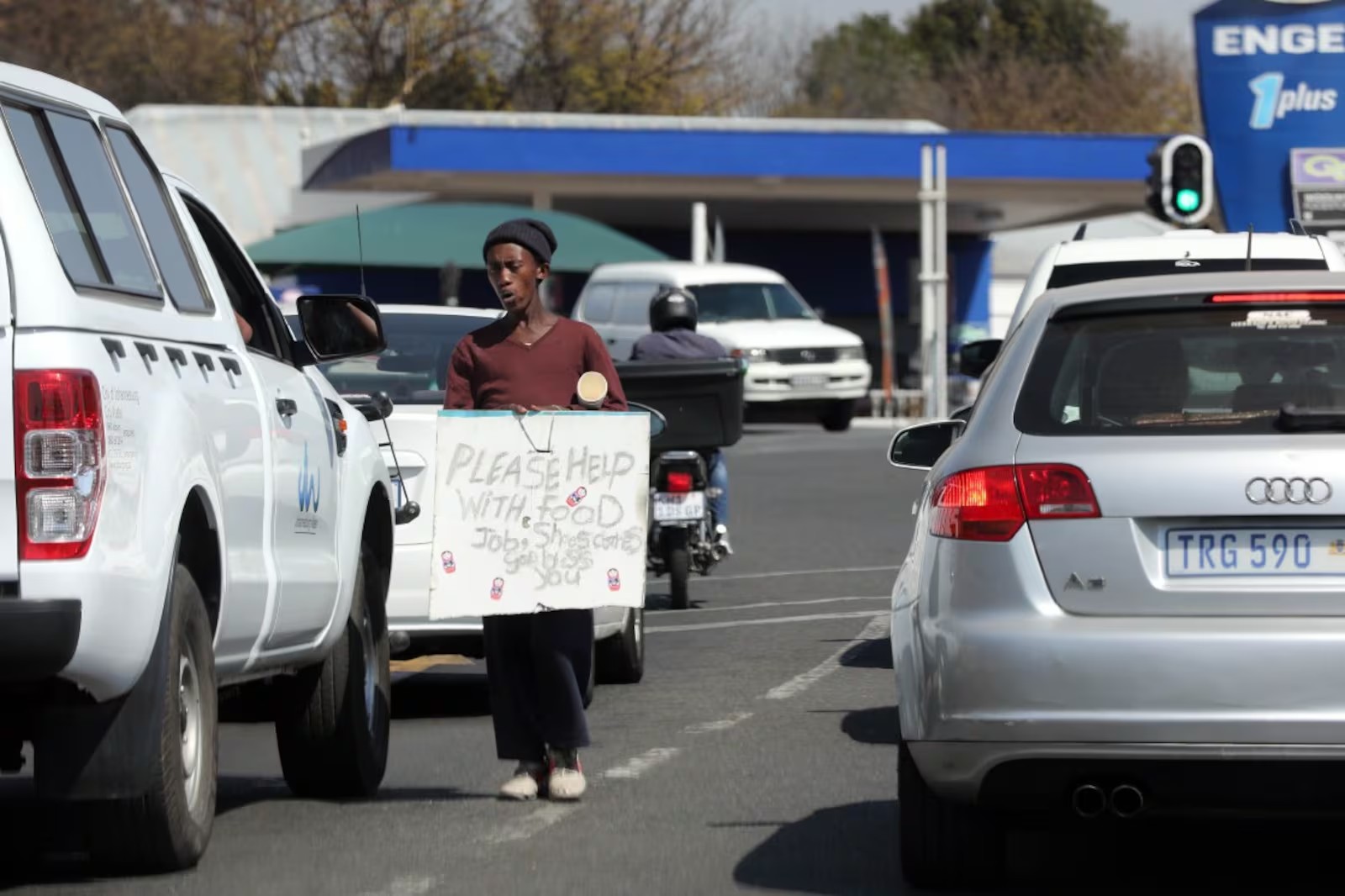
There are also all the domestic causes of job losses, but that’s a conversation for another day, says the writer. Picture: Antonio Muchave
A misdiagnosis of trade policy effects risks ineffective policy responses, writes Ofentse Davhie
Within hours of Washington confirming it would strip South Africa of African Growth & Opportunity Act (Agoa) benefits from January 1, the numbers began circulating.
The Southern African Agri Initiative put the number at 62,000 direct jobs at risk. Aluma Capital went further, to somewhere between 125,000 and 576,000 direct and indirect jobs. To its credit, trade union federation Cosatu offered a more sober 3,000 to 10,000.
The reality is that losing Agoa will cost South Africa jobs, with real consequences for real households. But the figures being quoted are inflated, and the damage is being blamed on the wrong tariff.
Manufacturing shed 100,000 jobs in the year to end June, down 6%. The Eastern Cape lost 116,000, a fall of 7.9% and the worst of any province. That is the motor belt, and those are the plants that build cars for the US market.
Now ask what did it. South African vehicle exports to the US fell 83% in 2025, from 24,682 units to 4,136, on the National Association of Automobile Manufacturers of South Africa’s count. They were already down 73% in the first quarter, then 80% in April and 85% in May.
The duty responsible was the 25% tariff imposed under section 232 of the US Trade Expansion Act, which took effect in April. And here is the part the commentary keeps getting wrong. In 2024 vehicles accounted for 64% of all South African trade under Agoa — R28.6bn and 24,682 cars.
The industry was inside Agoa, a member in good standing, drawing the preference in full. And yet exports to the US collapsed anyway. Agoa waives the ordinary most-favoured-nation import duty but has no power over a section 232 tariff imposed on national security grounds. Membership was worth perhaps two and a half percentage points in duties to a carmaker facing 25%. It was never going to be material, and losing it in January changes nothing for a single one of those plants.
Agoa’s share of our exports to the US fell from 28% to 10% in a year. This was caused by the Section 232 destroying the trade that made up most of it. Which brings us to the asymmetry at the heart of this debate. We have absorbed a 25% duty on vehicles and parts and a 12.5% duty on manufactured and processed goods, and treated both as background weather.
Now an Agoa termination that adds roughly three percentage points to the rates already being paid is said to threaten half-a-million jobs. The small, late, South Africa-specific measure is being set up to carry the blame for damage done by the large, earlier, global ones.
Set aside cars and steel, which section 232 governs, and what remains is agriculture and light manufacturing. This is the labour-intensive band, the citrus and fruit country of the Cape, the part everyone warned about. Agriculture added 39,000 jobs in the year to June, a rise of 4.3%. The Western Cape added 91,000, the largest increase of any province.
How could that be? Agriculture gained 26,000 jobs on the year and 30,000 on the quarter. The Western Cape gained 95,000. Total employment rose by 21,000, and unemployment fell to 31.4%. We have already lived through worse conditions than January will bring, and the labour market did not register it.
I do want to be careful, because the opposite error is just as lazy. These are household survey estimates carrying sampling noise, and sector employment moves for many reasons. A good season explains more about an agricultural quarter than any tariff does.
Also, the survey is a blunt instrument. A few thousand jobs lost in Citrusdal or Patensie would disappear inside a provincial figure of 2.8-million. The Quarterly Labour Force Survey cannot see a shock of 5,000 jobs. But it can see 100,000, and it can certainly see half a million. So the data does not refute Cosatu, but it annihilates everyone quoting six figures.
The honest position is that losing Agoa will cost jobs in the low thousands, concentrated in a handful of farming towns that can ill afford it. It will not cost 100,000 jobs. The people who say it will are counting sections 232 and 301 without naming them.
I raise this because a wrong diagnosis produces a wrong cure. It spares government the harder question of why Washington reached for three separate instruments against us in a single year: the higher bracket of the section 301 tariffs, visa restrictions and now this.
There are also all the domestic causes of job losses, but that’s a conversation for another day. Blaming Agoa is the comfortable answer, because it makes the loss someone else’s fault. The uncomfortable answer is that the jobs went 18 months ago, when we were looking the other way.
• Davhie is research associate at the Centre for Risk Analysis, focusing on political risk and foreign policy
Source: https://www.businessday.co.za/opinion/2026-11-09-ofentse-davhie-the-jobs-losing-agoa-will-not-take/
by Temp_Dev | Labour Market News
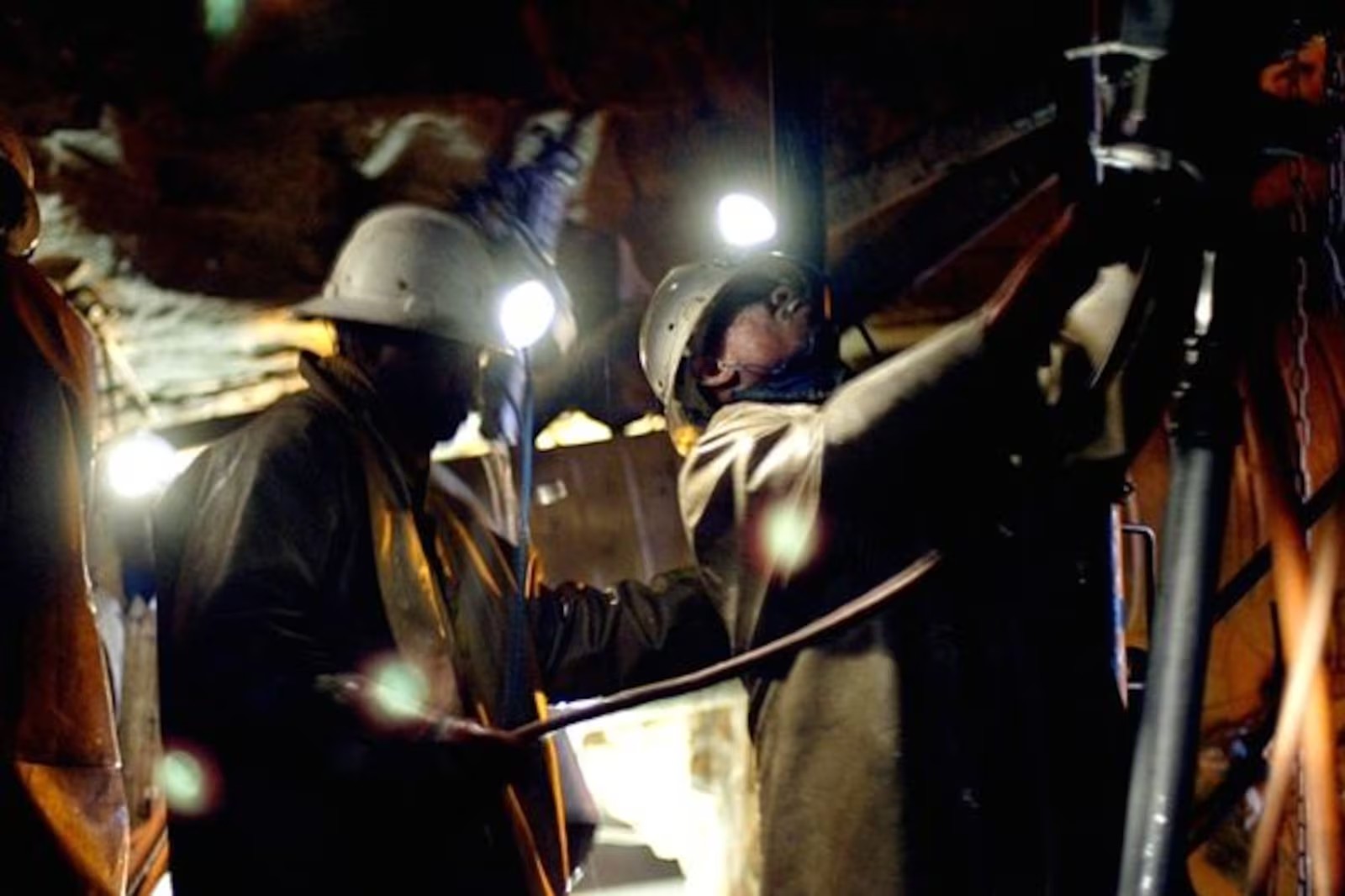
The health minister has proposed draft legislation for a new compensation system for miners who contract lung diseases on the job. Picture: Sunday Times
Health minister Aaron Motsoaledi has proposed replacing South Africa’s apartheid-era laws for compensating miners who contract lung diseases with new legislation that includes potentially controversial measures to protect companies from class action lawsuits.
While the draft Compensation for Occupational Diseases in Controlled Mines and Controlled Works Bill has been positioned by one of its chief architects as offering a better deal for workers, the law firm that won a historic class action lawsuit for gold miners with silicosis said it drastically erodes their rights. The bill was approved by the cabinet in September and released for public comment last week. Interested parties have three months to provide input.
“It’s insane. It’s putting the liability squarely on the workers’ shoulders,” said Richard Spoor, who spearheaded a R5bn silicosis class action lawsuit against gold mining companies, and is now taking aim at coal mining companies on behalf of miners and local communities affected by lung diseases.
Section 35 of the bill prohibits workers, former workers or their dependants from taking civil action against the owners of controlled mines or works to claim damages for occupational diseases. Controlled works include smelters, refineries and beneficiation plants.
“I am deeply suspicious about this [bill]. It is not improving the system, there is no integration with existing [mine] surveillance and occupational health legislation, and now we have immunity [for employers]. I don’t think workers are getting a fair shake,” said Spoor.
But the former compensation commissioner for occupational diseases Barry Kistnasamy, who played a central role in drafting the proposed legislation, said it introduced a new and better system for compensating miners sickened by workplace hazards such as dust and radiation.
“It changes the face of 150 years of mining. This bill brings social justice and redress,” he said.
The bill’s introduction of a “no fault” compensation system for occupational lung diseases was in line with good practice in social protection systems and should prevent future class action lawsuits, he said.
Trade union federation Cosatu said the clause prohibiting class action suits should be seen in the context of the social compact between business and labour, and was in exchange for improved health and safety measures and greater benefits for workers.
“We will subject this to interrogation at Nedlac to ensure workers are not shortchanged and are in fact fully protected,” said Cosatu parliamentary co-ordinator Matthew Parks.
Similar measures were contained in the Compensation for Occupational Injuries and Diseases Act, overseen by the department of employment and labour, he said.
The bill repeals the Occupational Diseases in Mines and Works Act of 1973, which was modelled on the 1912 Miners Phthisis Act and until 1993 discriminated against black miners, said Kistnasamy, who retired at end-October. He was appointed commissioner in 2012 to turn around the troubled Mines and Works Compensation Fund, which had at that stage received a series of disclaimers from the auditor-general.
The auditor-general has given the fund an unqualified audit opinion with findings for the past three years.
The scheme proposed by the bill enhances the services available to present and former workers and establishes penalties for mines and works that expose miners to hazards, said Kistnasamy.
It paves the way for the establishment of a Controlled Mines and Controlled Works Compensation Authority that will oversee medical examinations and determine whether former miners are eligible for lump sum payouts in compensation for lung diseases caused by occupational hazards. The authority will oversee a fund that will pay compensation to eligible former miners, or if they have died and been awarded posthumously, to their beneficiaries. The authority will be overseen by a 13-member board appointed by the health minister.
Source: https://www.businessday.co.za/news/health/2026-11-10-health-department-moves-to-shield-mines-from-lung-disease-lawsuits/
by Temp_Dev | Labour Market News
The National Education, Health and Allied Workers’ Union (Nehawu) and the Congress of South African Trade Unions (Cosatu) have criticised President Cyril Ramaphosa’s decision to approve salary increases for public office-bearers, saying the adjustments are out of touch with the economic realities facing ordinary South Africans.

Bank notes from South Africa/Pexels
Ramaphosa approved increases of 3.5% and 4% for different categories of public office-bearers, following recommendations by the Independent Commission for the Remuneration of Public Office-Bearers.
Nehawu described the decision as unprincipled and insensitive, arguing that public representatives should not receive increases while workers continue to face difficult working conditions, inadequate staffing, and persistent remuneration challenges.
In a statement, the union said the increases came at a time when millions of South Africans were struggling with unemployment, poverty, inequality and the rising cost of living.
It argued that the decision sends a troubling message about the priorities of public leadership, particularly against the background of weak economic growth and continued pressure on public finances.
The union also blamed austerity measures for weakening the state’s capacity to deliver essential services.
The union said years of budget cuts, frozen vacancies and the failure to fill critical posts have left public servants working under increasingly difficult conditions, often without adequate human and material resources.
“Public Office Bearers should not be exempted from the conditions and plight that confront the rest of the country,” Nehawu said.
The union has called on Ramaphosa to reconsider his decision and urged the government to prioritise the country’s pressing socio-economic challenges.
Cosatu has also criticised the increases, particularly the 3.5% adjustment for Members of Parliament, provincial legislators and municipal councillors.
The federation acknowledged that government had reduced the commission’s initial recommendation of a 4.1% increase for public representatives, but said the approved adjustment remained excessive.
Cosatu said the increase sent the wrong message to a public increasingly frustrated by the performance of political leaders and the state of service delivery.
It also questioned the decision to allocate additional funding to remunerate politicians while government continued to face financial constraints in meeting its constitutional obligations.
The federation expressed particular concern about the inclusion of 9,331 municipal councillors, given the deterioration of municipal finances and services in many parts of the country.
It pointed to municipalities struggling to pay employees’ salaries, pensions, medical aid contributions and taxes, with some facing the risk of collapse.
Cosatu said the additional R536 million allocated to fund the salaries of politicians, commissioners and judges could instead be directed towards employing more frontline workers.
“It defies logic that at a time when the state does not have money to fulfil many of its constitutional mandates, government has endorsed this tone-deaf proposal,” the federation said.
It argued that government should prioritise the recruitment of doctors, nurses, teachers, police officers and other essential workers to strengthen service delivery.
Cosatu has, however, distinguished between the increases approved for different categories of public office-bearers. While opposing the adjustment for politicians, it said it supported the 4% increase for magistrates, citing the need to retain skilled professionals and prevent further pressure on an already overburdened judicial system.
The federation also called for changes to the remuneration process, arguing that the commission should be required to publish its proposals for public comment before submitting recommendations to the President.
It further wants future salary adjustments to be linked to the performance of public representatives and the institutions they oversee.
Cosatu Parliamentary Coordinator Matthew Parks said public funds came from workers’ taxes and that taxpayers should be given an opportunity to make their views heard before increases were approved.
Source: https://www.jacarandafm.com/news/news/nehawu-cosatu-criticise-increase-for-office-bearers/
