
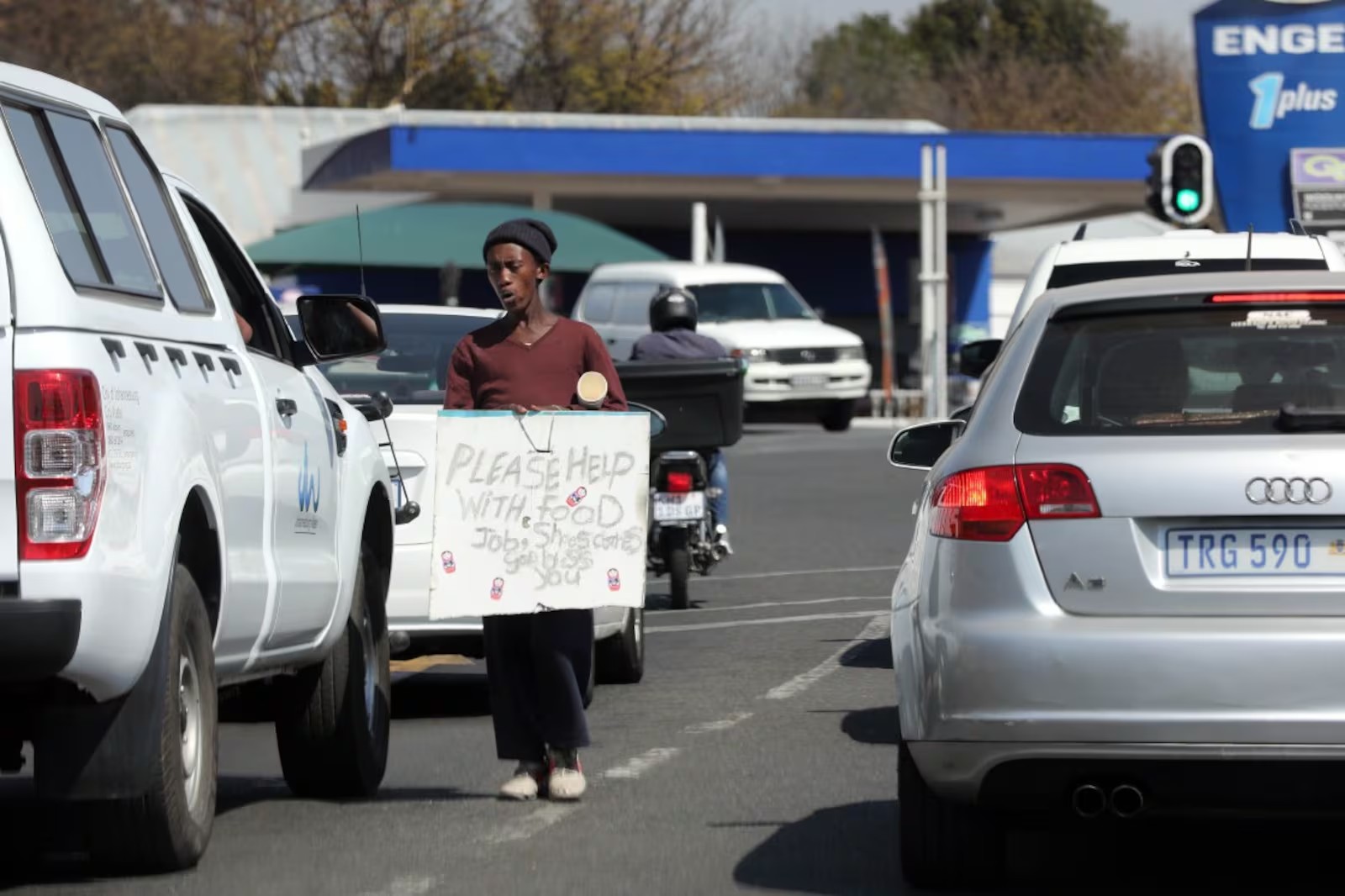
There are also all the domestic causes of job losses, but that’s a conversation for another day, says the writer. Picture: Antonio Muchave
A misdiagnosis of trade policy effects risks ineffective policy responses, writes Ofentse Davhie
Within hours of Washington confirming it would strip South Africa of African Growth & Opportunity Act (Agoa) benefits from January 1, the numbers began circulating.
The Southern African Agri Initiative put the number at 62,000 direct jobs at risk. Aluma Capital went further, to somewhere between 125,000 and 576,000 direct and indirect jobs. To its credit, trade union federation Cosatu offered a more sober 3,000 to 10,000.
The reality is that losing Agoa will cost South Africa jobs, with real consequences for real households. But the figures being quoted are inflated, and the damage is being blamed on the wrong tariff.
Manufacturing shed 100,000 jobs in the year to end June, down 6%. The Eastern Cape lost 116,000, a fall of 7.9% and the worst of any province. That is the motor belt, and those are the plants that build cars for the US market.
Now ask what did it. South African vehicle exports to the US fell 83% in 2025, from 24,682 units to 4,136, on the National Association of Automobile Manufacturers of South Africa’s count. They were already down 73% in the first quarter, then 80% in April and 85% in May.
The duty responsible was the 25% tariff imposed under section 232 of the US Trade Expansion Act, which took effect in April. And here is the part the commentary keeps getting wrong. In 2024 vehicles accounted for 64% of all South African trade under Agoa — R28.6bn and 24,682 cars.
The industry was inside Agoa, a member in good standing, drawing the preference in full. And yet exports to the US collapsed anyway. Agoa waives the ordinary most-favoured-nation import duty but has no power over a section 232 tariff imposed on national security grounds. Membership was worth perhaps two and a half percentage points in duties to a carmaker facing 25%. It was never going to be material, and losing it in January changes nothing for a single one of those plants.
Agoa’s share of our exports to the US fell from 28% to 10% in a year. This was caused by the Section 232 destroying the trade that made up most of it. Which brings us to the asymmetry at the heart of this debate. We have absorbed a 25% duty on vehicles and parts and a 12.5% duty on manufactured and processed goods, and treated both as background weather.
Now an Agoa termination that adds roughly three percentage points to the rates already being paid is said to threaten half-a-million jobs. The small, late, South Africa-specific measure is being set up to carry the blame for damage done by the large, earlier, global ones.
Set aside cars and steel, which section 232 governs, and what remains is agriculture and light manufacturing. This is the labour-intensive band, the citrus and fruit country of the Cape, the part everyone warned about. Agriculture added 39,000 jobs in the year to June, a rise of 4.3%. The Western Cape added 91,000, the largest increase of any province.
How could that be? Agriculture gained 26,000 jobs on the year and 30,000 on the quarter. The Western Cape gained 95,000. Total employment rose by 21,000, and unemployment fell to 31.4%. We have already lived through worse conditions than January will bring, and the labour market did not register it.
I do want to be careful, because the opposite error is just as lazy. These are household survey estimates carrying sampling noise, and sector employment moves for many reasons. A good season explains more about an agricultural quarter than any tariff does.
Also, the survey is a blunt instrument. A few thousand jobs lost in Citrusdal or Patensie would disappear inside a provincial figure of 2.8-million. The Quarterly Labour Force Survey cannot see a shock of 5,000 jobs. But it can see 100,000, and it can certainly see half a million. So the data does not refute Cosatu, but it annihilates everyone quoting six figures.
The honest position is that losing Agoa will cost jobs in the low thousands, concentrated in a handful of farming towns that can ill afford it. It will not cost 100,000 jobs. The people who say it will are counting sections 232 and 301 without naming them.
I raise this because a wrong diagnosis produces a wrong cure. It spares government the harder question of why Washington reached for three separate instruments against us in a single year: the higher bracket of the section 301 tariffs, visa restrictions and now this.
There are also all the domestic causes of job losses, but that’s a conversation for another day. Blaming Agoa is the comfortable answer, because it makes the loss someone else’s fault. The uncomfortable answer is that the jobs went 18 months ago, when we were looking the other way.
• Davhie is research associate at the Centre for Risk Analysis, focusing on political risk and foreign policy
Source: https://www.businessday.co.za/opinion/2026-11-09-ofentse-davhie-the-jobs-losing-agoa-will-not-take/