
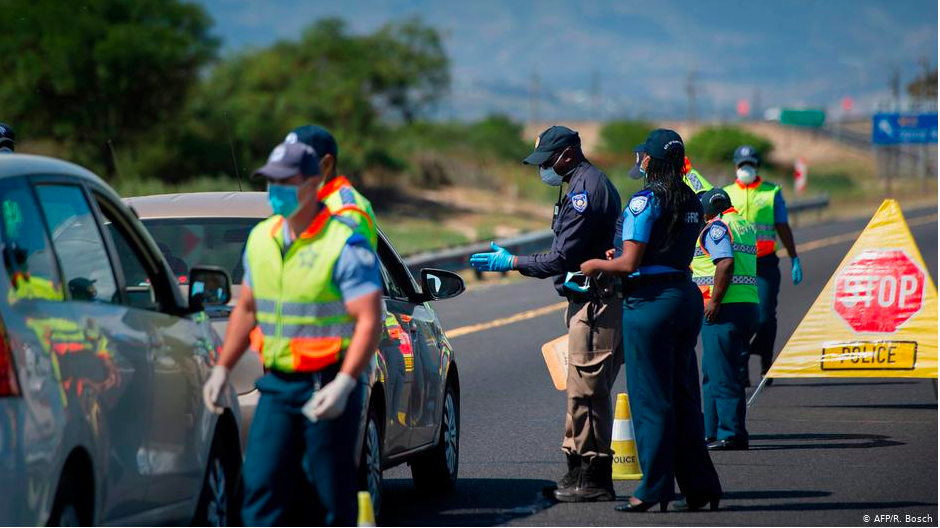
It’s hard to describe that sinking feeling when you encounter the flashing blue lights, yellow signs and orange bollards. Here’s what you can and cannot do at a police checkpoint.
We’ve all experienced that slight dip in the stomach when rounding a bend to see a sea of neon vests, traffic cones, and flashing blue lights. Roadblocks are an essential reality of driving on South African roads, designed to keep motorists safe, catch unroadworthy vehicles, and deter criminal activity. However, a combination of intimidating roadside tactics and general public confusion often leaves drivers unsure of where they stand.
Related: What are my rights if I get stopped at a roadblock?
With the nationwide administrative rollout of the AARTO (Administrative Adjudication of Road Traffic Offences) system, keeping tabs on your legal protections is more critical than ever. To help you navigate your next encounter calmly and safely, here is a definitive AutoTrader guide to what law enforcement can—and strictly cannot—do at a South African roadblock.
How to Pay Your Traffic Fines Online in South Africa
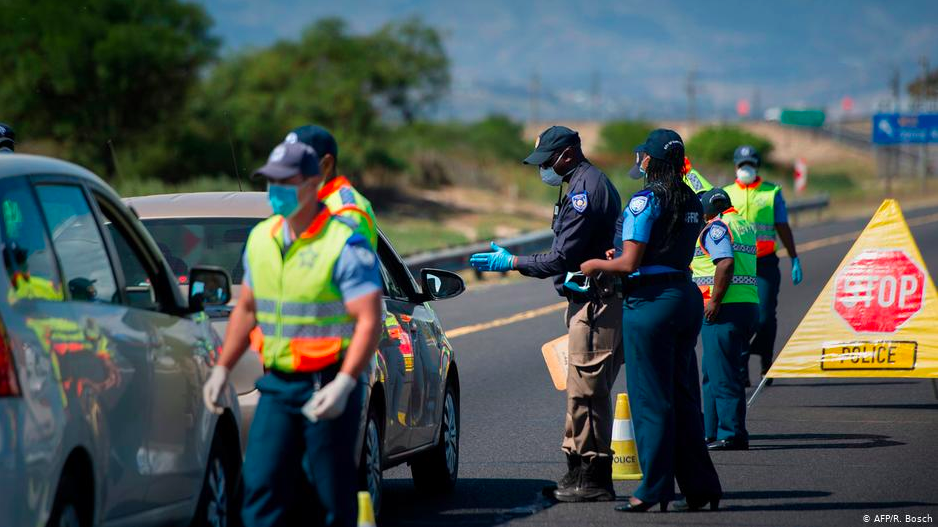
1. The Big Distinction: Roadblocks vs. Roadside Checks
Not every flashing blue light carries the same legal weight. South African law separates police operations into two distinct categories, and your privacy rights change depending on which one you encounter:
-
Authorised Roadblocks (Section 13(8) of the SAPS Act): These are large-scale, structured operations. They require written authorisation signed in advance by a National or Provincial Police Commissioner. At these checkpoints, the law authorises officers to search your person and vehicle without a warrant.
-
Informal Roadside Checks (Section 3I of the National Road Traffic Act): These are casual setup variations in which a couple of Metro Police or traffic officers pull vehicles over at random on an off-ramp or suburban street. Here, officers’ powers are much narrower.

2. What Law Enforcement is Strictly Allowed to Do
When you are signalled to stop by a uniformed officer, you are legally required to do so immediately. Fleeing or ignoring the signal is a serious criminal offence. Once stopped, officers are fully within their rights to execute the following procedures:
Demand Your Driver’s License and Identity
Under the National Road Traffic Act, you must carry your physical driver’s license (or an acceptable temporary layout) on your person or in the vehicle. You are obligated to present it upon request, alongside your vehicle’s license disc. You must also state your name and address if asked to confirm your identity.
Inspect Vehicle Fitness
An officer can inspect your tyres, lights, wipers, and license disc. If they have reasonable grounds to suspect your car is severely unroadworthy, they can issue a notice to discontinue its use or, in extreme cases, have it impounded.
Conduct Breathalyser Tests
You cannot legally refuse a breath alcohol screening. Under Section 65 of the National Road Traffic Act, refusing a breathalyser or a subsequent blood test is an arrestable offence.
Execute Active Warrants of Arrest
If a computer check at the roadside reveals that you have an active, court-issued Warrant of Arrest registered against your name (for instance, a contempt of court warrant for ignoring a previous traffic summons), officers have the legal authority to arrest you on the spot.

3. What Law Enforcement is Strictly Forbidden from Doing
While officers hold significant power, the Constitution and the Criminal Procedure Act draw a hard line against roadside bullying and unlawful coercion.
Demand Cash or On-the-Spot Fine Payments
This is perhaps the most common point of roadside friction. No traffic officer or SAPS member can force you to pay a traffic fine at the side of the road.
Even if the police have a mobile payment bus or a digital point-of-sale machine stationed at the roadblock, your participation is 100% voluntary. You always maintain the right to contest the infringement through regular administrative or legal channels.
Red Flag: If an officer demands cash, suggests driving to a nearby ATM, or hints at an informal “soft drink” payment to let you go, they are soliciting a bribe. Offering or paying for it makes you equally guilty of a criminal offence.
Unlawful Searches at “Roadside Checks”
As mentioned earlier, unless it is a formally approved Section 13(8) roadblock, officers cannot search your vehicle or your person without your explicit consent, unless they have clear, objective “reasonable grounds” or “probable cause” (such as smelling cannabis or seeing open alcohol containers on the seats). They also cannot search through your personal smartphone without a specific warrant.
Detain or Threaten You Over Unpaid Fines Alone
An outstanding traffic fine is an administrative notice—it is not a warrant of arrest. An officer cannot legally hold you, take your car keys, or block you from driving away simply because you have unpaid fines on the system. They may only detain you if they can physically produce a valid warrant issued by a magistrate.
Vital Protections
If you find yourself pulled over, the golden rule is to remain exceptionally calm, polite, and cooperative. Keep your hands visible on the steering wheel. However, protecting your peace doesn’t mean yielding your legal rights:
-
Ask for ID: You have the legal right to demand to see an officer’s Appointment Certificate (their official police ID card). If they refuse or cannot produce it, their subsequent actions may be deemed unlawful. At a formal roadblock, you can also politely ask to see the written authorisation for the command.
-
You Can Record the Encounter: It is entirely legal to take photos or record video/audio of your interaction with law enforcement, provided you do not physically obstruct them from doing their jobs. Officers are strictly forbidden from confiscating your phone, damaging your camera, or forcing you to delete footage.
-
Same-Sex Searches: If a physical body search is legally initiated, you have the right to demand that it be conducted by an officer of the same gender.
Should you feel that an official is overstepping the boundaries of the law, do not engage in a heated roadside argument. Keep your composure, write down the officer’s name, badge number, and the registration plate of their patrol vehicle, and report the misconduct later to the SAPS Anti-Corruption Hotline (082 820 6467) or the Independent Police Investigative Directorate (IPID).