
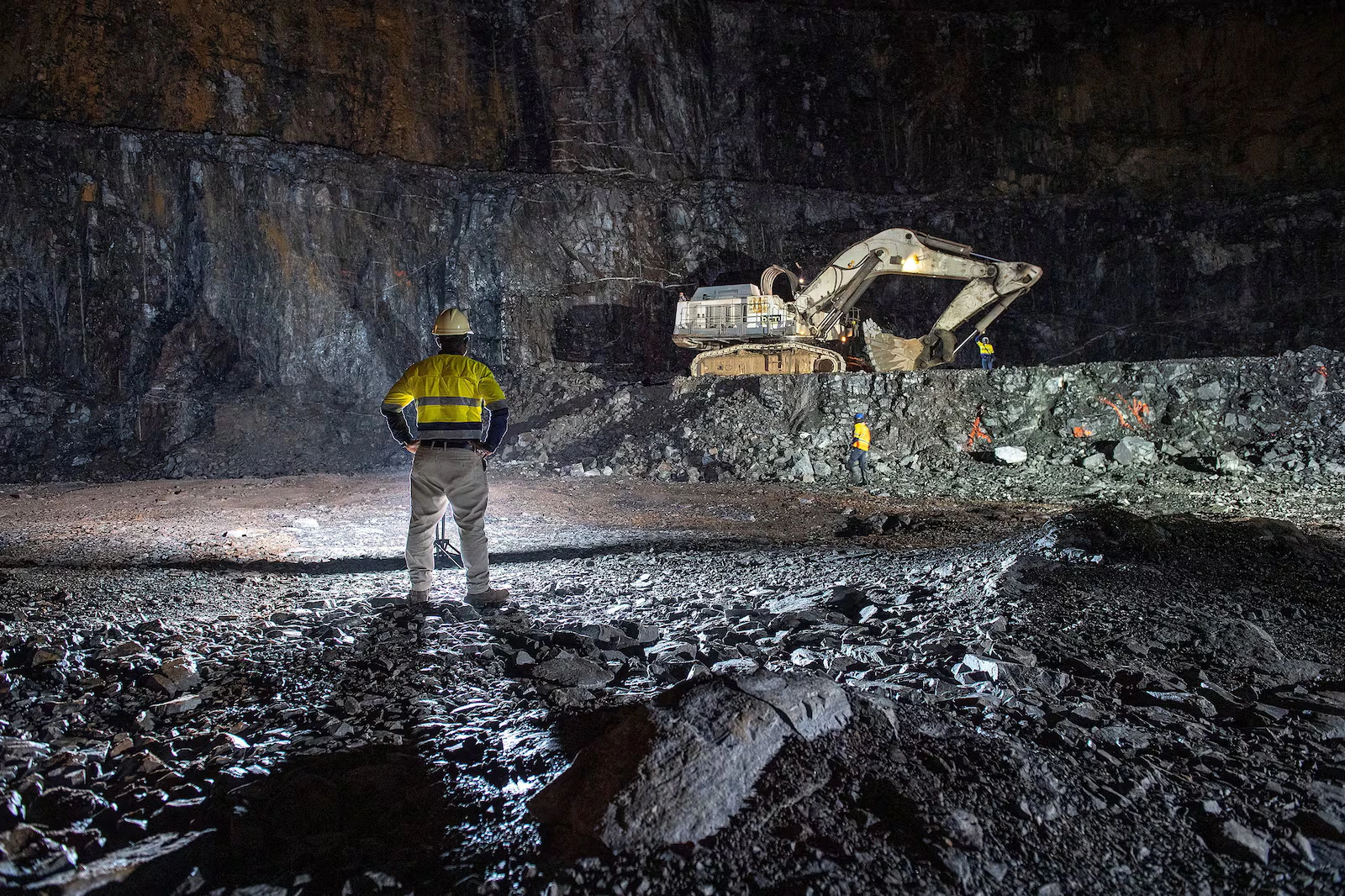
The mining industry is on track for another slump in September. Picture: Gold Fields/Philip Mostert/Reuters
Stats SA’s quarterly labour force survey (QLFS) for the third quarter of 2026, due out on Tuesday, is likely to illustrate that unemployment remains high as the various sectors of the economy navigate an environment of high input costs due to the US war against Iran, which has roiled global oil markets this year.
In what labour federation Cosatu called a “beyond depressing” report, the jobless rate jumped to 33.6% in the second quarter from 32.7% in the first three months of the year. Young South Africans again bore the brunt of the scourge, with youth unemployment increasing 1.5 percentage points to 47.4% between the two quarters.
“The [third quarter] QLFS is likely to show a modest deterioration in the unemployment rate. The operating environment remained challenging during the quarter, with higher oil and fuel prices increasing input, transportation and distribution costs for businesses, placing pressure on profitability and weighing on business confidence,” economists at Nedbank said in a commentary.
“Against this backdrop, firms may have adopted a more cautious approach to hiring, delaying expansion and recruitment plans.”
Investec economist Lara Hodes was more optimistic, predicting a modest easing to 33% in third quarter unemployment, though she added that jobs growth would be subdued for the rest of this year as elevated uncertainty weighed on hiring decisions.
Later on Tuesday, Stats SA will publish September manufacturing production numbers, which economists expect to bear further testimony to the industry’s extremely difficult year on the back of steep fuel price increases and subdued demand, among other ills.
Output is likely to have declined further in September by 4% year on year after August’s 4.3% contraction, Hodes said, noting that the revised Absa manufacturing purchasing managers’ index for the month remained subdued at 48.7, below the neutral 50-point mark, indicating continued pressure.
The manufacturing sector has been under pressure for years, and Stats SA’s recent rebasing of South Africa’s GDP whittled its contribution to national output to 11.9% from the previously calculated 12.4%, pushing it down to the country’s fourth largest industry from third position.
On Thursday Stats SA will release September production data for the mining sector, which slumped 12.7% year on year in August — with platinum group metals, coal and iron ore leading the retreat — and fell 5.4% month on month.
In their forecast, economists at Absa pencilled in a month-on-month increase of 2.3% for September but noted that the degree of uncertainty is high, given the volatile nature of the mining data series.
The closure of Valterra’s precious metal refinery operations for maintenance in the third quarter presents a downside risk to the bank’s forecast.
“Our estimate would leave mining output down 10.7% year on year in September compared with a 12.7% decline in August,” Absa’s economists wrote in their latest weekly economic commentary.
Stats SA will on Thursday also release the latest data on perinatal deaths in South Africa, detailing the number of stillborn babies as well as early neonatal deaths, which occur in the first week of life.