
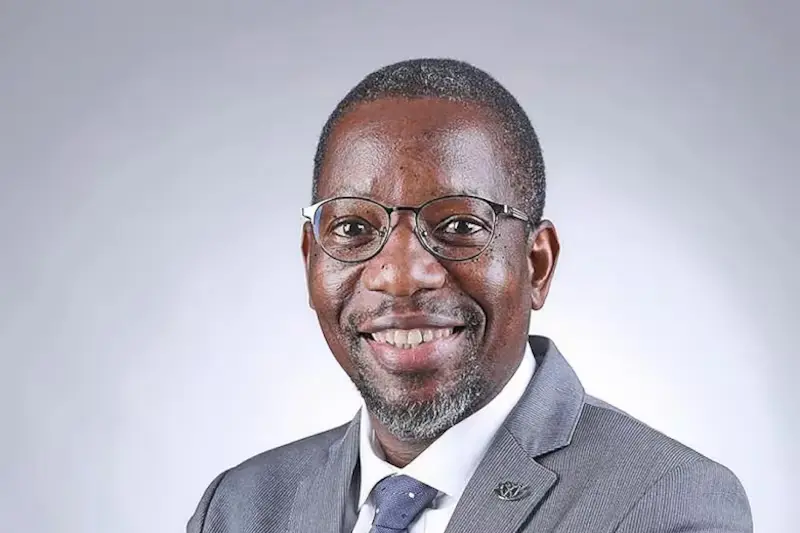
Business Unity South Africa CEO Khulekani Mathe. Picture
Story audio is generated using AI
Business Unity South Africa says UIF reform efforts have failed
The decision by Business Unity South Africa (Busa) to withdraw its representatives from the Unemployment Insurance Fund (UIF) board and related National Economic Development and Labour Council (Nedlac) structures undermines the necessary social dialogue between government, business and labour, the UIF said.
Busa announced its withdrawal from the UIF board and Nedlac structures related to the UIF last week, saying it had tried unsuccessfully for years to get the state-owned entity on the right track.
The UIF responded to this decision saying: “Regrettably, withdrawal from these forums limits opportunities to influence governance outcomes through the mechanisms established for that purpose. This is contrary to the principles underpinning South Africa’s social dialogue framework, which places a premium on sustained engagement, even where significant differences of opinion exist.
“The UIF rejects any suggestion that meaningful governance reform can be achieved outside the established statutory structures or through disengagement from the institutions created to facilitate oversight and social dialogue.
“Robust debate, differing perspectives and critical scrutiny are integral components of good governance.”
Busa and labour federation Cosatu regard the UIF as deeply dysfunctional and have called for it to be placed under administration with the aim of stabilising operations, addressing governance failures and clearing the backlog in benefit claims which Cosatu says can take months if not years to be paid out.
The UIF is funded by contributions from employers and employees and is meant to provide income support during periods of unemployment, maternity, illness, adoption, parental leave, reduced working time, or other qualifying income loss.
The fund has repeatedly received qualified audit opinions from the auditor-general due to weaknesses in internal controls, an inability to substantiate documentation and major ICT challenges. Irregular, wasteful and fruitless expenditure without any meaningful consequence management has also occurred.
Busa CEO Khulekani Mathe said Busa’s decision to withdraw from UIF structures followed six years of sustained engagement, repeated warnings of maladministration, and ongoing efforts to support reform for the benefit of workers, employers, and the stability of South Africa’s labour market. “Regrettably, these efforts have not yielded the required results,” he said.
Read: MPs told of ‘impunity culture’ at the department of labour
“Business remains committed to constructive engagement with government and labour to build a functional and credible social security system that protects vulnerable workers. However, such engagement must be grounded in accountability, urgency, and a genuine commitment to reform. Workers and employers cannot be expected to continue funding a system that fails them when they need it most,” Mathe said.
However, the UIF said that during engagements with its social partners it had consistently advanced proposals aimed at strengthening institutional governance and improving labour market outcomes. These included the need to improve employer compliance with the UIF law, strengthen the financial sustainability of the fund and enhance service delivery.
Further information was needed on Busa’s proposals, including the need to change benefit processes which the UIF said were not in line with the UIF’s process.
It recognised the need to improve the efficiency and timeliness of benefit payments “by addressing the root causes of delays, particularly employers’ failure to submit accurate and up-to-date employee declarations”.
Source: https://www.businessday.co.za/news/2026-07-05-busa-withdrawal-undermines-social-dialogue-says-uif