
Statistics South Africa revealed on Tuesday that while employment levels grew modestly in the fourth quarter of 2025, millions of people in South Africa remain outside the labour market.
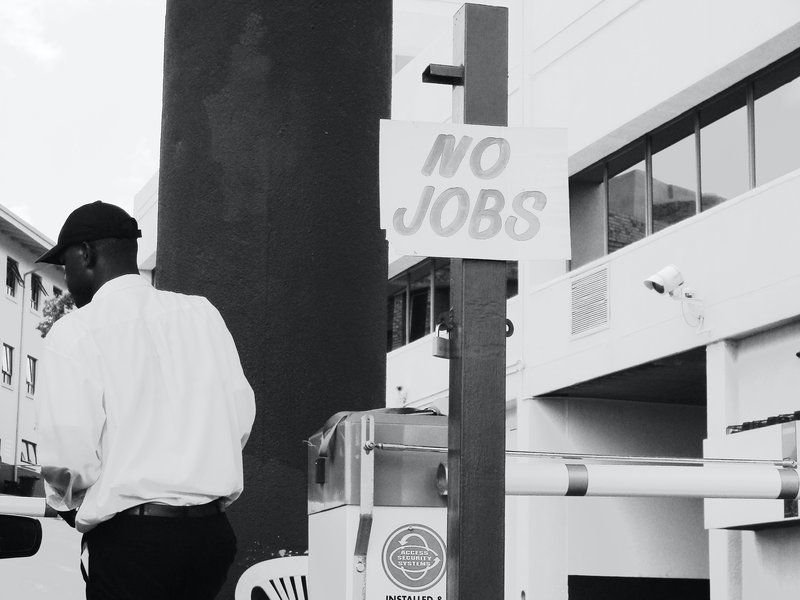
According to the latest Quarterly Labour Force Survey, employment rose by 44,000 to 17.1 million, while the number of individuals outside the labour force increased to 17.1 million, underscoring persistent barriers to participation in the labour force.
Statistician-General Risenga Maluleke said the labour market must be understood beyond traditional measures of employment and unemployment.
“The labour force has always been those who are employed and unemployed but actively looking for employment. Outside the labour force, we have what we call the not economically active — including discouraged work-seekers and others who are not participating.”
Maluleke explained that new reporting methods introduced in 2025 provide a broader view of labour market conditions by including additional categories of workers and job-seekers.
“We now include what we call time-related underemployment — people who are employed but say they are not working enough hours and would like to work more.”
He said the data also tracks individuals who are available for work but are not actively searching, as well as those seeking employment but are temporarily unavailable.
“When we come to those outside the labour force, we have what we call the potential labour force. This includes discouraged work-seekers, those who are not seeking but available, and those who are seeking but not available.”
The number of discouraged job-seekers rose to 3.7 million, bringing the potential labour force to 4.6 million. Combined with unemployment and underemployment, this group contributes to a broader measure of labour underutilisation.
“When we combine those that are unemployed, those in time-related underemployment, and those in the potential labour force, we get a composite measure of labour underutilisation,” Maluleke said.
Provincial disparities remain pronounced, with rural provinces continuing to record higher levels of labour market vulnerability compared to more urbanised regions.
Maluleke said recent trends suggest a gradual recovery in the labour market, though structural challenges remain.
“One thing that we are seeing as a nation is that we are making recoveries in the job market. We are seeing people getting into employment, while other indicators are beginning to show improvement.”
He added that long-term unemployment continues to dominate joblessness in the country, highlighting the depth of the employment challenge.
“Out of those who are unemployed, the majority are in long-term unemployment, meaning they have been without work for 12 months or longer. This shows the scale of the challenge that we continue to face.”
Statistics South Africa says the data reflect a labour market that is gradually stabilising but still characterised by deep structural inequalities, limited opportunities, and uneven participation across the population.
Source: https://www.jacarandafm.com/news/news/south-africans-still-struggling-work-stats-sa/